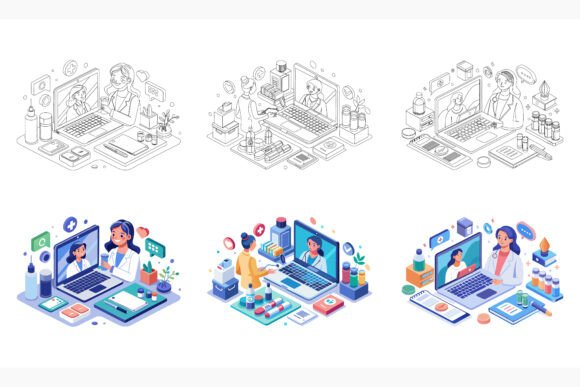
Telemedicine and Online Medical Service: Transforming Healthcare in the Digital Age
The way we access healthcare has changed dramatically over the past decade. What once required a physical visit to a doctor's office or hospital can now often be handled from the comfort of your own home. Telemedicine and online medical services have emerged as a cornerstone of modern healthcare, offering convenience, accessibility, and efficiency that traditional in-person visits cannot always match. Whether you live in a bustling city or a remote rural area, the ability to consult with a healthcare professional through a screen has become a vital resource for millions of people around the world.
Telemedicine is not just a trend or a temporary response to global health challenges. It represents a fundamental shift in how we think about medical care. By leveraging digital communication tools, healthcare providers can diagnose, treat, and monitor patients without the need for physical proximity. This approach has proven especially valuable for managing chronic conditions, providing mental health support, and offering follow-up care after hospital discharges. As technology continues to evolve, telemedicine is becoming more integrated into everyday life, blurring the lines between traditional healthcare and digital innovation.
What Exactly Is Telemedicine?
At its core, telemedicine refers to the use of electronic communications and software to provide clinical services to patients without an in-person visit. This can include video consultations, phone calls, secure messaging, and even remote monitoring through wearable devices. The term is often used interchangeably with telehealth, though telehealth encompasses a broader range of non-clinical services like administrative meetings and continuing medical education.
Telemedicine can be divided into three main categories:
- Interactive Medicine: Real-time communication between patient and provider using audio and video technology. This is the most common form of telemedicine and closely resembles a traditional office visit.
- Store-and-Forward: Transmission of medical data such as images, lab results, or patient history to a specialist who reviews the information at a later time. This is particularly useful in dermatology, radiology, and pathology.
- Remote Patient Monitoring: Continuous collection of health data from patients in one location and transmitted to healthcare providers in another. This is commonly used for managing conditions like diabetes, hypertension, and heart disease.
Each of these methods serves a unique purpose, but together they create a comprehensive ecosystem that makes healthcare more flexible and responsive to patient needs.
Why Telemedicine Matters More Than Ever
The significance of telemedicine goes beyond convenience. For many people, especially those in underserved areas, it can be a lifeline. Rural communities often face a shortage of specialists, long travel distances, and limited access to timely care. Telemedicine bridges this gap by connecting patients with experts who may be hundreds of miles away. During emergencies or public health crises, such as pandemics, telemedicine reduces the risk of exposure for both patients and healthcare workers while ensuring that medical services remain uninterrupted.
Beyond accessibility, telemedicine also offers cost savings. Patients save on transportation, parking, and time off work. Healthcare systems benefit by reducing no-show rates and optimizing physician schedules. For employers, offering telemedicine as part of employee health benefits can lead to lower insurance costs and increased productivity. These financial advantages make telemedicine an attractive option for individuals, businesses, and governments alike.
Another important aspect is the improvement in patient outcomes. Studies have shown that telemedicine can be just as effective as in-person care for many conditions, particularly when it comes to follow-up visits and routine check-ups. Patients with chronic illnesses who use remote monitoring tools often experience better disease management and fewer hospitalizations. The ability to communicate with a provider quickly when symptoms arise can prevent minor issues from becoming serious emergencies.
How Online Medical Services Fit into Daily Life
Imagine waking up with a sore throat and a fever. Instead of spending hours in a waiting room, you pull out your phone, schedule a video appointment, and speak with a doctor within minutes. The doctor examines your symptoms, asks a few questions, and sends a prescription to your local pharmacy. By lunchtime, you have your medication and are already on the road to recovery. This is not a futuristic fantasy; it is the reality of modern online medical services.
Online medical platforms have made it easier than ever to access primary care, dermatology, mental health counseling, and even specialized consultations. Many services operate 24/7, meaning you can get help at any hour, whether it is early in the morning or late at night. This flexibility is especially valuable for parents with young children, shift workers, and people with mobility challenges.
For businesses and educational institutions, telemedicine has become an essential tool. Schools use telehealth services to evaluate sick students without sending them home or overwhelming local clinics. Corporations integrate telemedicine into employee wellness programs, offering virtual health screenings and mental health support. This integration into daily routines demonstrates how deeply telemedicine has woven itself into the fabric of modern life.
Common Misunderstandings About Telemedicine
Despite its growing popularity, several misconceptions persist about telemedicine. One common belief is that it is only suitable for minor ailments like colds or allergies. While it is certainly effective for those issues, telemedicine also handles complex conditions. Specialists in cardiology, neurology, and endocrinology frequently use virtual consultations to review test results, adjust medications, and provide ongoing care. Remote monitoring devices allow doctors to track heart rhythms, blood sugar levels, and other critical data in real time.
Another misunderstanding is that telemedicine lacks the personal touch of an in-person visit. In reality, many patients report feeling more at ease during virtual consultations because they are in a familiar environment. Providers can still build strong relationships with patients through attentive listening, clear communication, and empathetic care. The key is not the medium but the quality of the interaction itself.
Some people worry about the security and privacy of telemedicine. Legitimate online medical services are required to comply with strict regulations like HIPAA in the United States, which ensures that patient data is encrypted and protected. Reputable platforms invest heavily in cybersecurity to maintain trust and confidentiality.
How Telemedicine Connects with Modern Creativity and Design
As telemedicine grows, so does the need for clear, engaging, and professional visual content that communicates complex medical concepts to patients and providers. This is where the role of high-quality illustration becomes invaluable. Whether you are building a telemedicine app, designing educational materials for patients, or creating marketing content for a healthcare startup, the visuals you use can significantly impact how your message is received.
This brings us to a unique resource that can elevate your telemedicine or online medical service projects: the Hello Welcome to our Special AI EPS Collections. This specially curated set of AI EPS illustrations is designed to help you communicate healthcare topics with clarity and style. What makes these illustrations stand out is the careful attention to detail and consistency across every file. Each illustration is crafted with precision, ensuring that the medical themes you need are represented in a visually appealing and professional manner.
What Makes These AI EPS Illustration Sets Special for You
Whether you are a web designer, a content creator, or a healthcare professional looking to enhance your presentations, this collection offers everything you need to bring your telemedicine content to life. The illustrations are perfect for websites, mobile apps, infographics, brochures, and social media posts. They help bridge the gap between technical medical information and the people who need to understand it.
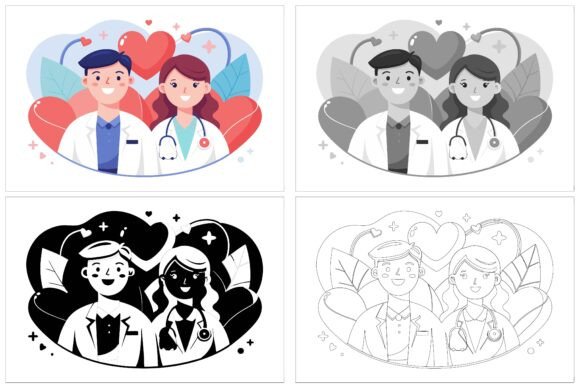
The set includes 3 variations of each illustration, giving you flexibility in how you use them. You receive files in AI, EPS, and JPG formats, so they work seamlessly whether you are using graphic design software like Adobe Illustrator or simply need a high-quality image for a document. The collection is designed for both Mac and Windows users, ensuring that no matter your platform, you can access and edit the files with ease.
One of the standout features of this collection is the neatly organized file and layer structure. Each illustration is built with layers that are clearly labeled, making it simple to find and modify individual elements. You do not have to be a professional designer to make changes; the logical structure means you can quickly adjust colors, resize components, or swap out icons to match your brand or project needs.
Perfection in details and consistency is another hallmark of this collection. Every illustration aligns with the others in style, proportion, and visual language. This consistency is crucial when you are building a cohesive set of visuals for a website or an app. It ensures that your content looks unified and polished, which in turn builds trust with your audience.
Practical Applications for Your Telemedicine Projects
The illustrations in this collection are suitable for print, web, symbols, apps, and infographics. This versatility means you can use them across multiple channels without worrying about compatibility or quality loss. For example, you could use an illustration of a doctor consulting with a patient via video call on your website's homepage, then use a similar icon in your mobile app's interface. The consistent style ties everything together.
Because the files are editable, you have complete creative control. You can change colors, modify icons, and adapt the illustrations to fit your specific needs. If your brand uses a particular color palette, you can easily update the illustrations to match. If you need to highlight a specific medical concept, you can adjust the artwork accordingly. This level of customization ensures that your visuals are not just generic stock images but tailored pieces that reflect your unique identity.
Building a Broader Understanding of Digital Health
Telemedicine is more than a convenience; it is a step toward a more equitable and efficient healthcare system. By reducing barriers to access, it empowers patients to take control of their health. It allows providers to reach more people, streamline their workflows, and focus on what matters most: delivering quality care. As digital tools continue to improve, the possibilities for telemedicine will only expand. Artificial intelligence, wearable technology, and advanced data analytics are already beginning to integrate with telemedicine platforms, offering even more precise and personalized care.
For anyone involved in the healthcare space, whether as a provider, administrator, or designer, understanding telemedicine is essential. It is not just about technology; it is about rethinking how we deliver and experience healthcare. Visual communication plays a key role in this transformation. Clear, professional illustrations help demystify medical processes, educate patients, and build confidence in digital health services.
So what are you waiting for? If you are ready to elevate your telemedicine or online medical service content with visuals that are both beautiful and functional, consider adding the Hello Welcome to our Special AI EPS Collections to your toolkit. With its editable files, consistent quality, and ease of use, it is an investment that will save you time and help you communicate more effectively. Buy now and start using this awesome illustration collection to bring your healthcare projects to life.
Final Thoughts
The world of healthcare is evolving rapidly, and telemedicine is at the forefront of that evolution. Whether you are a patient seeking convenient care, a healthcare provider looking to expand your reach, or a creative professional designing the next generation of health apps, the tools and resources you choose make a difference. By combining reliable digital health services with high-quality visual content, you can create experiences that are not only functional but also engaging and trustworthy. Embrace the future of medicine with confidence, and let your visuals speak as clearly as your message.