Why the Infographic Step by Step Template Is Reshaping How We Communicate Complex Ideas
In a world where attention spans are shrinking and information density is rising, the ability to present a process, workflow, or sequence in a clear and visually compelling way has become a critical skill. Enter the Infographic Step by Step Template—a structured design framework that transforms how professionals, creators, and entrepreneurs break down multi-stage concepts. This isn't just another design asset; it's a communication tool that bridges the gap between raw data and audience understanding.
Whether you're mapping out a customer journey, illustrating a production pipeline, or walking a team through a new onboarding sequence, the step-by-step infographic template offers clarity, consistency, and visual impact. And with assets available in vector AI, EPS, and high-resolution JPEG, the barrier to entry has never been lower. Let's explore what makes this template format so powerful, why it's gaining traction across industries, and how you can use it to elevate your own messaging.
What Exactly Is an Infographic Step by Step Template?
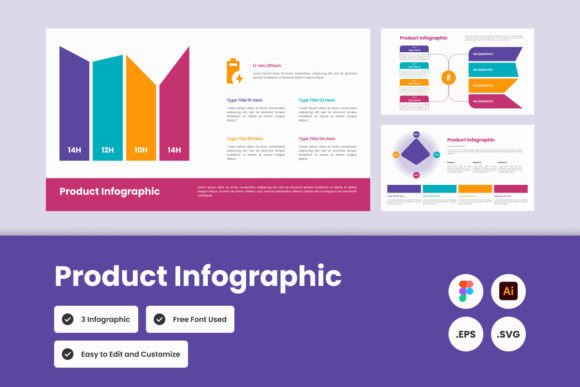
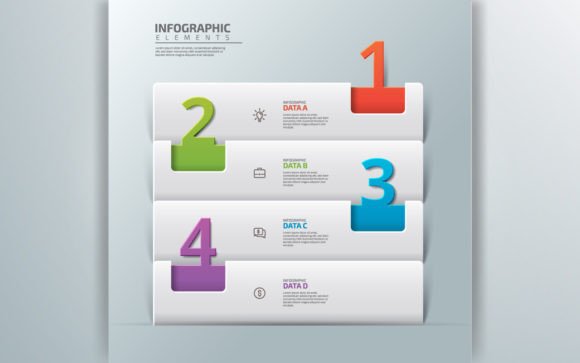
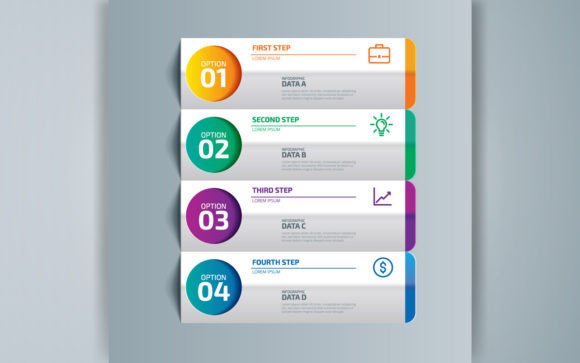
At its core, an Infographic Step by Step Template is a pre-designed graphic layout that organizes information sequentially. It typically includes numbered steps, directional arrows, icons, and modular content blocks arranged in a logical flow. The format can be vertical, horizontal, circular, or even branching—depending on the message. But the unifying principle is progression: each step builds on the previous one, guiding the viewer from start to finish.
Templates like those created in Adobe Illustrator offer professional-grade structure while still allowing for customization. Users can swap colors, replace icons, adjust spacing, and insert their own copy without needing to start from a blank canvas. This blend of flexibility and consistency is what makes the infographic step-by-step approach so valuable for marketers, educators, and business leaders alike.
The format is often used for:
- Workflow layouts that show how a task moves through different stages
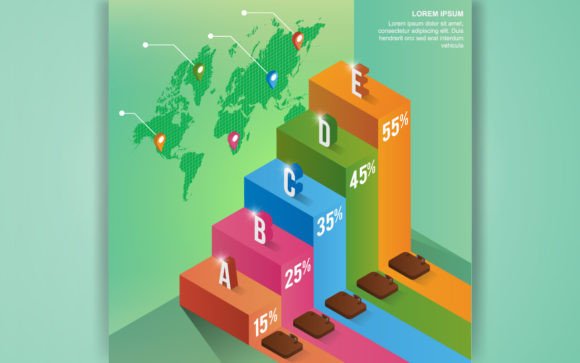
- Diagram-based explanations for technical or abstract processes
- Numbered option displays that help audiences weigh choices
- Web design assets that improve user comprehension
- Infographics for social media, blog posts, and presentations
Why the Infographic Step by Step Template Is Gaining Momentum
The rise of the step-by-step infographic template is not an isolated design trend—it's a response to broader shifts in how we consume and process information. As digital content competes for milliseconds of attention, visual structure has become a competitive advantage. People are drawn to content that is easy to scan, understand, and remember. A well-designed step-by-step infographic delivers on all three fronts.
There are several reasons why this format is resonating with creators and audiences alike:
- Clarity in complexity — Breaking down a concept into numbered steps reduces cognitive load. Instead of wrestling with a dense paragraph, the viewer sees a path: step one, step two, step three. This linear structure mirrors how the brain naturally processes sequences.
- Scannability — In an age of skimming, visual hierarchy is everything. The combination of numbers, icons, and short text blocks allows viewers to grasp the gist of a message in seconds—then dive deeper if they choose.
- Cross-platform versatility — A single template can be repurposed across social media, blog posts, PDFs, slide decks, and even printed handouts. The vector AI and EPS formats ensure that scaling, recoloring, and editing remain seamless.
- Professional polish without the design overhead — Not every marketer or entrepreneur has a graphic designer on speed dial. A well-crafted template in Adobe Illustrator gives non-designers access to professional-grade layout principles, making their content look polished and credible.
Changing Needs, Preferences, and Workflows: Why This Format Fits the Moment
The growing popularity of the Infographic Step by Step Template reflects a deeper shift in how people prefer to learn and make decisions. In both B2B and B2C contexts, audiences are increasingly resistant to wall-of-text communication. They want guided journeys—content that respects their time and helps them arrive at a conclusion without unnecessary friction.
Consider the modern buyer's journey. A potential customer researching a solution doesn't want to read a white paper front to back. They want to see how a process works, what outcomes to expect, and where they fit in the timeline. A step-by-step infographic addresses exactly that need. It visualizes the path and makes the abstract concrete.
Similarly, internal teams are adopting step-by-step infographics for onboarding, training, and project documentation. The format reduces ambiguity. When everyone can see the same visual sequence of tasks, milestones, or approvals, miscommunication drops and alignment improves. In a distributed work environment, this kind of shared visual language is invaluable.
Freelancers and creators are also gravitating toward templates because they allow for rapid content production. When you're juggling multiple clients or platforms, the ability to drop your copy into a proven layout and export it as a high-res JPEG or editable AI file saves hours. It means more consistency across deliverables and less time reinventing the wheel.
Practical Examples: Where the Template Shines
Let's look at a few real-world scenarios where the Infographic Step by Step Template makes a measurable difference.
Marketing Campaign Launches
A marketing team rolling out a multi-channel campaign can use a step-by-step infographic to illustrate the timeline and audience journey. Step one might be awareness (social ads, blog posts), step two engagement (email nurture, webinar), step three conversion (demo request, sales call). The visual sequence helps both the team and external stakeholders see the full picture at a glance.
Product Onboarding
SaaS companies often struggle to retain users after the first login. A step-by-step infographic embedded in an onboarding email or help center can guide users through the setup process: create an account, connect your tool, configure settings, invite your team, and start your first project. Each numbered step reduces confusion and accelerates time-to-value.
Educational Content
Teachers, trainers, and content creators use step-by-step infographics to explain everything from scientific processes to historical timelines. The format works equally well for a photosynthesis diagram and a guide to starting a podcast. The key is the same: make the sequence visible and intuitive.
Business Process Documentation
Internal operations teams can map out approval workflows, escalation paths, or quarterly planning cycles using a step-by-step layout. Instead of a lengthy PDF memo, a single infographic communicates the hierarchy and flow with minimal effort.
Connecting the Template to Larger Developments
The Infographic Step by Step Template is not just a design tool—it's a response to the broader demand for visual literacy in professional communication. As remote work, digital collaboration, and cross-functional teams become the norm, the need for clear, shareable, and universally understood visuals grows. Infographics that follow a logical sequence help bridge gaps in context, culture, and expertise.
Furthermore, the availability of formats like AI, EPS, and high-resolution JPEG reflects a maturing ecosystem of design assets. Creators now expect files that work across Adobe Illustrator, Canva, or print without compatibility headaches. The inclusion of multiple file types in a single download is a signal that the industry has moved past one-size-fits-all thinking. Users want flexibility in their tools, and they want to invest in assets that can adapt to different output needs.
Another trend that aligns with this template format is the rise of micro-learning and just-in-time information. People no longer sit through hour-long training sessions to learn a simple process. They want a quick visual that they can reference in under a minute. Step-by-step infographics cater to this preference perfectly. They deliver the sequence, the logic, and the key takeaways without fluff.
Finally, the customization potential of vector-based templates supports the growing emphasis on brand consistency. Marketers and entrepreneurs can adjust colors, fonts, and iconography to match their brand guidelines, ensuring that every piece of visual content reinforces brand identity. The result is a cohesive look and feel across all touchpoints—from social media posts to internal documentation.
What Makes a Great Infographic Step by Step Template?
Not all templates are created equal. A high-quality Infographic Step by Step Template should include several key attributes:
- Clear visual hierarchy — Each step should be immediately distinguishable, with numbers or icons that guide the eye.
- Modular design — The layout should accommodate varying amounts of text without breaking the flow.
- Editability — Vector AI and EPS formats allow for easy modification of colors, shapes, and text without degrading quality.
- Scalability — A high-resolution JPEG export ensures that the infographic looks sharp on screens and in print.
- Contextual icons and imagery — Visual elements should reinforce the message, not merely decorate it.
When you find a template that checks these boxes, you have a foundation that can be adapted again and again for different topics and audiences.
How to Get the Most Out of an Infographic Step by Step Template
Using a template effectively involves more than just dropping in text. To maximize impact, follow a few practical strategies:
- Define your sequence before you design — Outline the logical steps of your process. Each step should represent a distinct action, decision, or milestone. If a step feels redundant, merge it with another.
- Keep copy concise — Each step should have a short headline and a brief explanation (one to three sentences). The infographic should be scannable, not dense.
- Use visual cues consistently — Arrows, colors, and icons should all reinforce the direction and meaning of each step. Consistency reduces confusion.
- Test the flow with someone unfamiliar — Show your draft to a colleague or friend and ask them to explain the process back to you. If they get stuck, reconsider the layout or labeling.
- Export for multiple contexts — Use the AI or EPS file for further editing, the high-res JPEG for web and social sharing, and consider print-ready versions for handouts or posters.
Final Thoughts: The Power of Visual Sequence
The Infographic Step by Step Template is more than a design shortcut. It is a strategic communication tool that meets the needs of modern audiences: fast, clear, and actionable. Whether you are a marketer explaining a funnel, an entrepreneur outlining a process, or a freelancer creating content for a client, this template format helps you present information in a way that sticks.
As visual communication continues to dominate digital and print media, the ability to structure information logically and attractively will remain a valuable skill. Investing in a quality template—with the flexibility of vector AI, EPS, and high-resolution JPEG—gives you a head start. It frees you to focus on the message while ensuring the medium delivers impact.
In a cluttered information landscape, clarity wins. And there is no clearer way to communicate a process than with a well-designed, step-by-step visual that leads the viewer from point A to point B—and leaves them feeling informed, confident, and ready to act.
Embrace the template. Customize it. Apply it across your projects. And watch how a simple sequence of steps transforms the way your audience understands and engages with your ideas.
— A practical guide for professionals, creators, entrepreneurs, marketers, freelancers, and anyone who values clear communication.